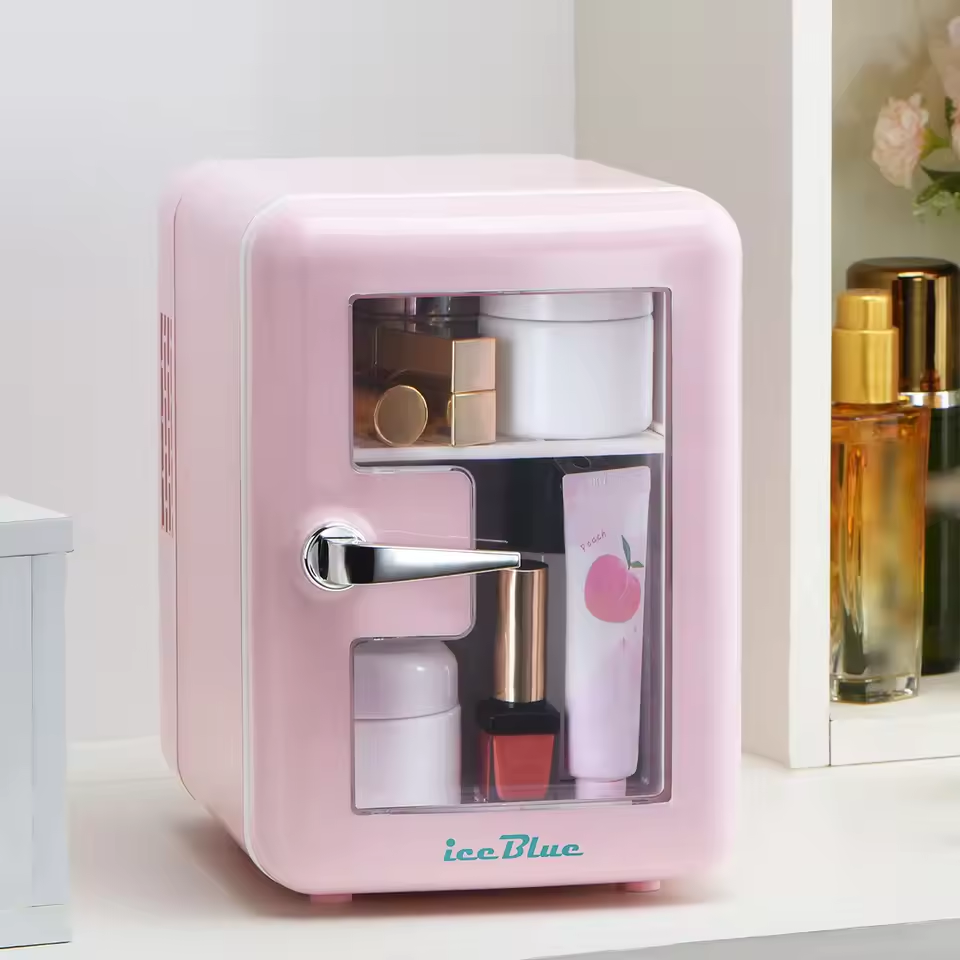
Why You Need a Small Office Refrigerator
A small office refrigerator is a practical addition to any workplace. It provides convenience for storing food, drinks, and snacks, enhancing comfort and productivity during work hours. Beyond the practical benefits, it promotes a healthier lifestyle by enabling employees to store fresh meals rather than relying on fast food.
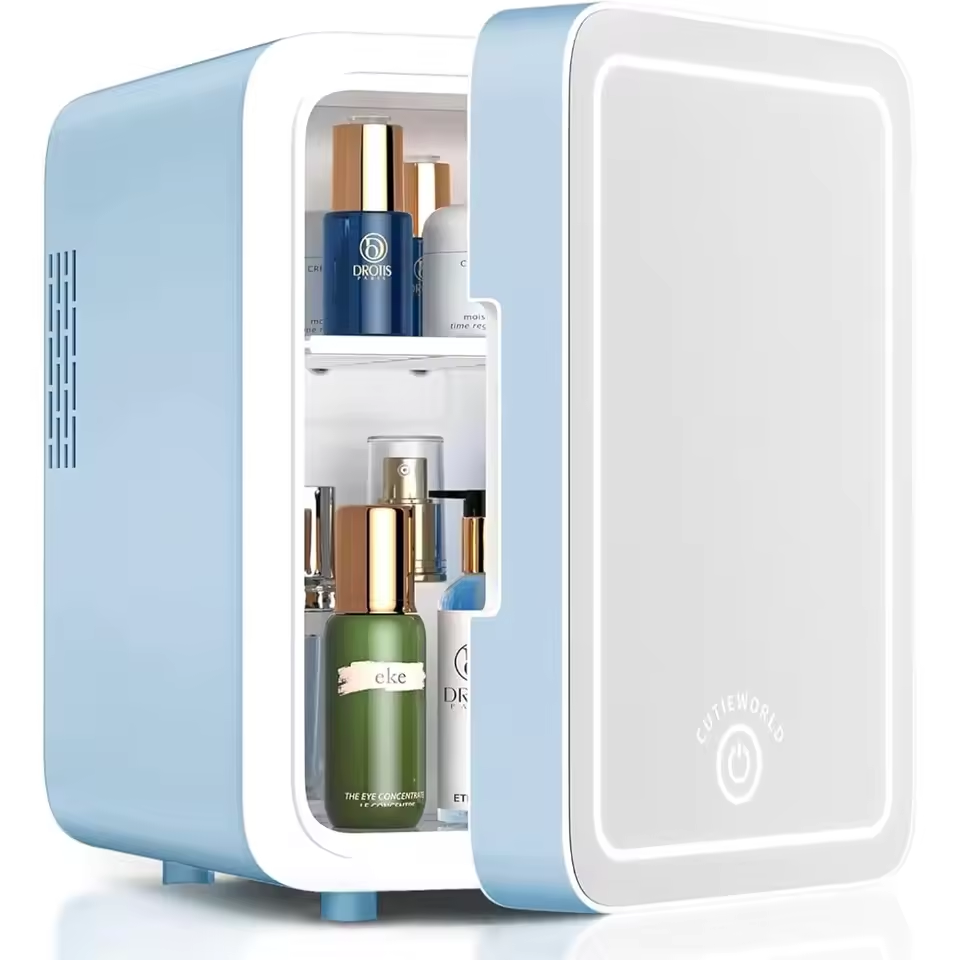
Benefits of Having a Refrigerator in the Workplace
- Convenience: Employees can store lunch, snacks, and drinks for easy access during breaks.
- Promotes Healthy Eating: Fresh meals can replace processed or fast food options, encouraging better eating habits.
- Boosts Morale: Providing a refrigerator shows care for employees’ needs, improving overall workplace satisfaction.
- Reduces Time Outs: With food readily available, employees spend less time going out to buy lunch, enhancing productivity.
- Keeps Food Fresh: A refrigerator protects perishable items from spoiling, reducing waste.
Common Uses for an Office Refrigerator
- Food Storage: Employees often store meals and snacks for lunch breaks or longer hours.
- Drink Cooling: Keep water, juice, or sodas cold for quick refreshment throughout the day.
- Event Preparation: Use it to store treats, cakes, or drinks for office parties and celebrations.
- Medication Storage: Refrigerators can store temperature-sensitive medications in workplace settings.
- Shared Use: Encourage teamwork and sharing by stockpiling communal snacks or beverages.
A small office refrigerator adds functionality and convenience to your workplace environment, acting as a valuable tool for healthier living and smarter storage solutions.
Key Factors to Consider When Choosing a Small Office Refrigerator
Selecting the perfect small office refrigerator requires careful evaluation of key factors. A well-suited refrigerator enhances convenience and functionality in the workplace. To make the best choice, focus on size, energy efficiency, noise levels, storage features, and budget.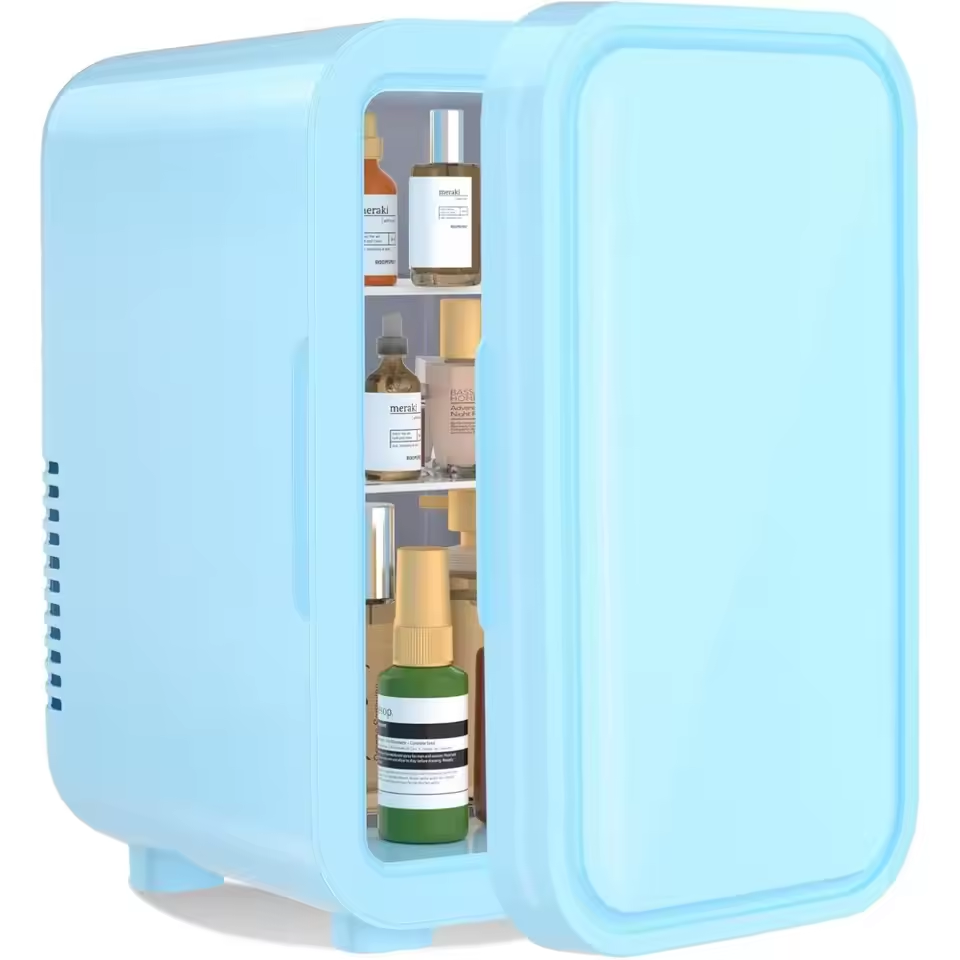
Size and Capacity
Assess the available space in your office before buying. Compact refrigerators fit small spaces best. Consider capacity needs based on the food and drinks employees will store. A balance between size and capacity adds utility without taking up too much space.
Energy Efficiency and Consumption
Choose a model with energy-saving features to reduce electricity costs. An Energy Star-certified fridge is ideal for minimizing consumption. Energy-efficient units help lower environmental impact and operating expenses.
Noise Levels
Noise is a critical factor in an office environment. Choose quieter refrigerators to avoid disturbing work. Look for models specifically designed with low-noise compressors or insulation.
Storage Features and Shelving Options
Good shelving options improve organization inside the refrigerator. Adjustable shelves provide flexibility for different-sized items. Dedicated compartments for drinks, vegetables, or snacks add convenience.
Price Range and Budget
Set a realistic budget before shopping to find a refrigerator within your price range. Consider initial costs and long-term savings from energy efficiency. Compare models to ensure good value at an affordable price.
Top Features to Look for in a Small Office Refrigerator
A small office refrigerator should combine convenience, functionality, and durability. Knowing the top features can help you choose the right model. These include temperature control, freezer options, portability, and a strong warranty.
Temperature Control Settings
Temperature control is essential for preserving food and drinks. Look for refrigerators with adjustable settings. This feature lets you customize cooling based on the stored items. Some models offer digital controls for precise adjustments. Consider refrigerators with consistent cooling throughout the compartments.
Freezer Compartment Options
Freezers add versatility to a small office refrigerator. Some models come with built-in freezer compartments. They can store frozen meals, ice packs, or desserts. Choose a model with separate temperature control for the freezer section. If space is limited, opt for compact designs with integrated freezers.
Portability and Design Aesthetics
Portability makes it easier to move the refrigerator when needed. Lightweight designs are ideal for temporary setups or rearrangements. Sleek designs and modern aesthetics complement the office decor. Choose a color and finish that blends well with your workspace. Portability and style add functionality while enhancing the office environment.
Durability and Warranty
Durability ensures long-lasting performance in busy office settings. Select a sturdy model built with high-quality materials. A good warranty provides peace of mind and covers unexpected issues. Look for refrigerators offering at least a one-year warranty for reliability. This combination ensures your investment pays off over time.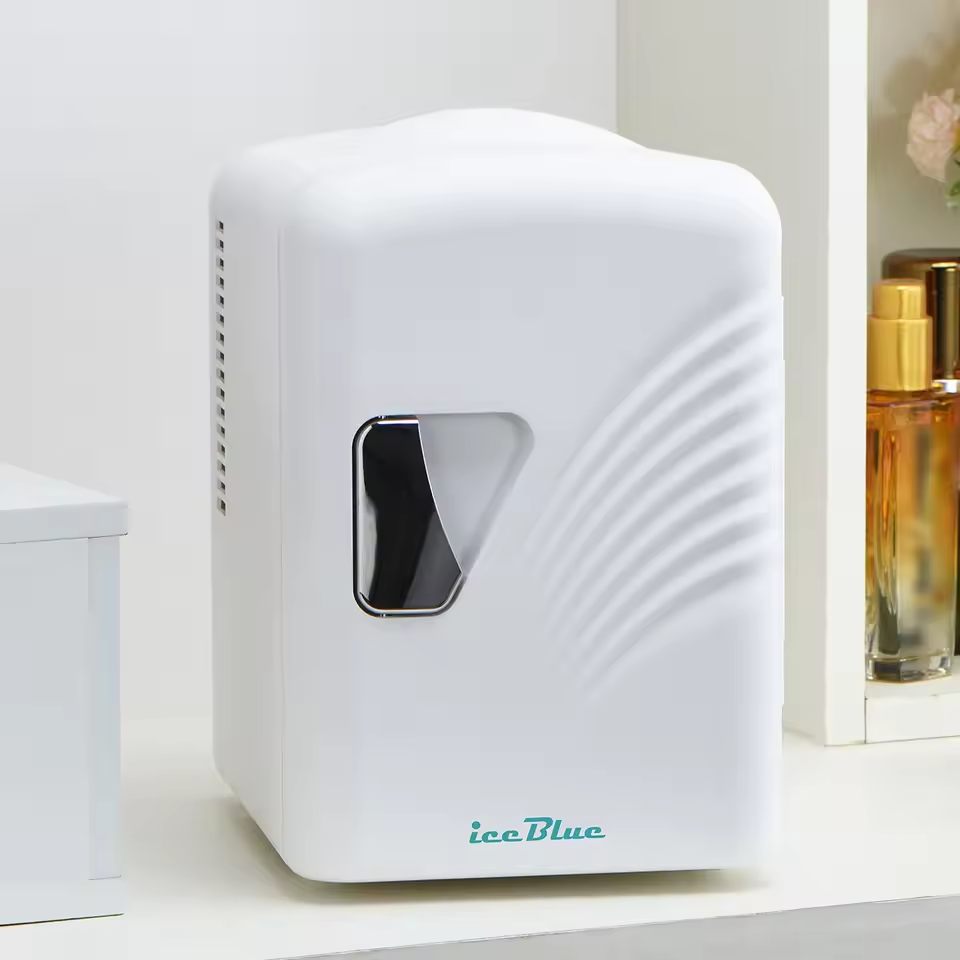
Popular Types of Small Office Refrigerators
Compact Mini Refrigerators
Compact mini refrigerators are perfect for small offices with limited space. Their small size allows them to fit under desks, in corners, or beside shelves. Despite being compact, they offer sufficient capacity for snacks, drinks, and lunch boxes. Look for models with adjustable shelves to maximize storage flexibility. These refrigerators are energy-efficient and operate quietly, making them ideal for workplaces.
Countertop Refrigerators
Countertop refrigerators are convenient for offices with accessible surfaces like tables or counters. They offer easy access without occupying floor space. Many countertop models come with sleek, modern designs, blending seamlessly with office decor. Their small compartments are perfect for storing small items like coffee creamer, drinks, and snacks. Ensure they have temperature controls for better food preservation.
Under-Desk Refrigerators
Under-desk refrigerators provide discreet storage for food and drinks. These compact models fit conveniently below workstations without taking up additional space. They’re useful for individual employees needing personal storage. Look for quiet models to avoid workplace noise disruptions. Their portability makes them a great option for temporary office layouts or easy relocation.
Dual-Function Refrigerators with Freezer
Dual-function refrigerators combine cooling and freezing, adding versatility. They’re excellent for offices requiring storage for frozen meals, desserts, or ice packs. Models with separate freezer compartments offer better temperature control. Opt for compact designs if space is limited. This type ensures maximum functionality while meeting diverse office needs.
Placement Tips for Your Small Office Refrigerator
Proper placement of your small office refrigerator ensures functionality and convenience. Choosing the right spot helps with accessibility and efficiency in daily use. Below are tips to select the best location for your office fridge.
Best Spots for Office Convenience
- Near Break Areas: Place the refrigerator close to common break rooms for easy access during refreshments or meals.
- Close to Workstations: In small offices, positioning near desks or workspaces saves time during busy work hours.
- Avoid High-Traffic Zones: Keep it away from crowded areas to avoid interruptions and accidental damage.
- Shared Access Points: Locate the fridge in spots accessible to all employees, promoting better usability for everyone.
- Under Desks or Tables: Compact models can discreetly fit below desks, saving space while remaining convenient for personal storage.
Considerations for Electrical Outlets and Ventilation
- Proximity to Outlets: Ensure the refrigerator is near an electrical outlet for easy and safe power connection.
- Ventilation: Place the fridge in an area with proper airflow to avoid overheating and maintain efficiency.
- Avoid Obstructions: Keep the area around the vents clear to ensure the cooling system works effectively.
- Stable Ground: Position the refrigerator on a level and stable surface for safety and optimal functioning.
- Avoid Direct Sunlight: Exposure to sunlight increases internal temperature, causing strain on the cooling system.
These placement tips enhance the usability and longevity of your small office refrigerator, making it a valuable addition to your workspace.
Maintenance and Care for Longevity
Proper maintenance ensures your small office refrigerator lasts longer and works efficiently. Regular cleaning, avoiding overloading, and addressing common issues are necessary steps for its upkeep.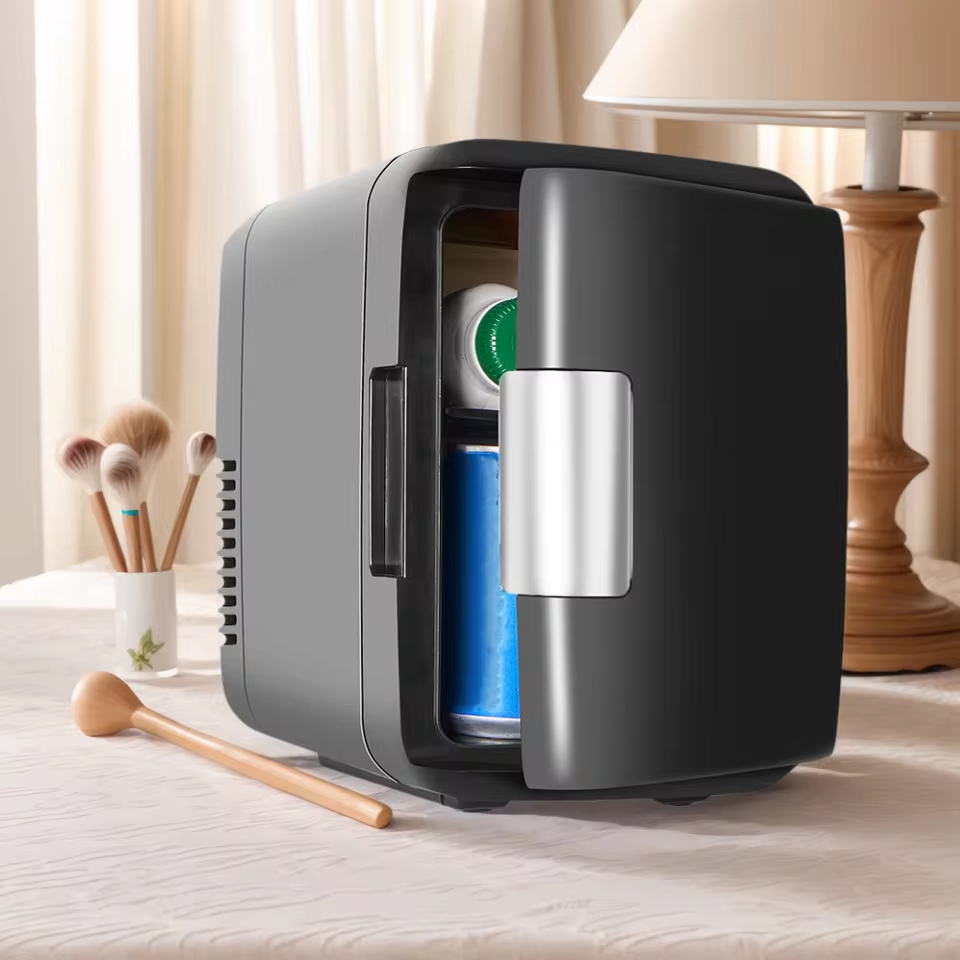
Regular Cleaning Tips
- Clean Inside Monthly: Remove all items and wipe shelves and compartments with warm soapy water.
- Defrost When Necessary: If your fridge lacks auto-defrost, defrost it regularly to prevent ice buildup.
- Wipe Exterior Weekly: Keep the outside clean to maintain its appearance and hygiene.
- Avoid Harsh Chemicals: Use gentle cleaning solutions to avoid damaging the surface or internal parts.
- Check Door Seals: Clean seals and inspect for cracks to ensure proper closing and temperature maintenance.
Avoiding Overloading the Refrigerator
- Do Not Overcrowd Shelves: Overloading reduces airflow and cooling efficiency. Leave space for circulation.
- Stick to Weight Limits: Know the fridge’s capacity and avoid storing heavy items beyond its capability.
- Organize Properly: Place items neatly for better airflow and easier access.
- Separate Hot Foods: Cool food before storing to avoid imparting extra strain on the cooling system.
- Remove Unused Items: Clean expired or unnecessary items regularly to free up space.
Troubleshooting Common Issues
- Noise Problems: Check if the refrigerator is level and ensure objects inside aren’t rattling.
- Insufficient Cooling: Confirm vents are clear and check for door seal damage.
- Water Leaks: Look for blocked drainage tubes, ensuring proper defrosting or cleaning.
- Sudden Power Loss: Inspect the power connection and reset the fridge if needed.
- Ice Accumulation: Increase defrost frequency and ensure the door closes properly.
Following these tips will maintain your small office refrigerator’s efficiency and extend its lifespan.
Best Brands and Models for Small Office Refrigerators
Choosing the best small office refrigerator requires considering trusted brands and models. A good brand ensures durability and efficiency, while different models cater to various needs. Below, we highlight popular brands and recommend models based on office requirements.
Overview of Popular Brands
- Danby: Known for compact designs and energy-efficient models perfect for small spaces.
- Midea: Offers affordable refrigerators with excellent cooling performance and low noise levels.
- Frigidaire: Renowned for long-lasting refrigerators with sleek designs and reliable features.
- Whirlpool: Offers a wide range of sizes with strong warranties and energy-saving technology.
- Haier: Popular for user-friendly designs and portable mini-fridge options ideal for desks or countertops.
- GE Appliances: Well-regarded for advanced features like digital controls and versatile storage compartments.
Recommendations Based on Office Needs
- For Limited Space: The Danby Designer 1.7 Cu. Ft. Compact Refrigerator fits perfectly under desks.
- For Energy Efficiency: Consider the Midea WHS-65LSS1 Mini Fridge with Energy Star rating for lower utility costs.
- For Quieter Workspaces: Frigidaire’s Retro 3.2 Cu. Ft. Mini Fridge operates quietly and adds style to the office.
- For Advanced Features: GE GDE03GGKBB Compact Refrigerator offers temperature control and separate freezer options.
- For Larger Offices: Whirlpool 3.1 Cu. Ft. Mini Refrigerator suits shared use with spacious compartments.
- For Budget-Friendly Needs: Haier’s HC17SF10RB Mini Fridge is affordable yet effective for personal storage.
These brands and models combine durability, functionality, and aesthetic appeal. Select a model that aligns with your office requirements and budget.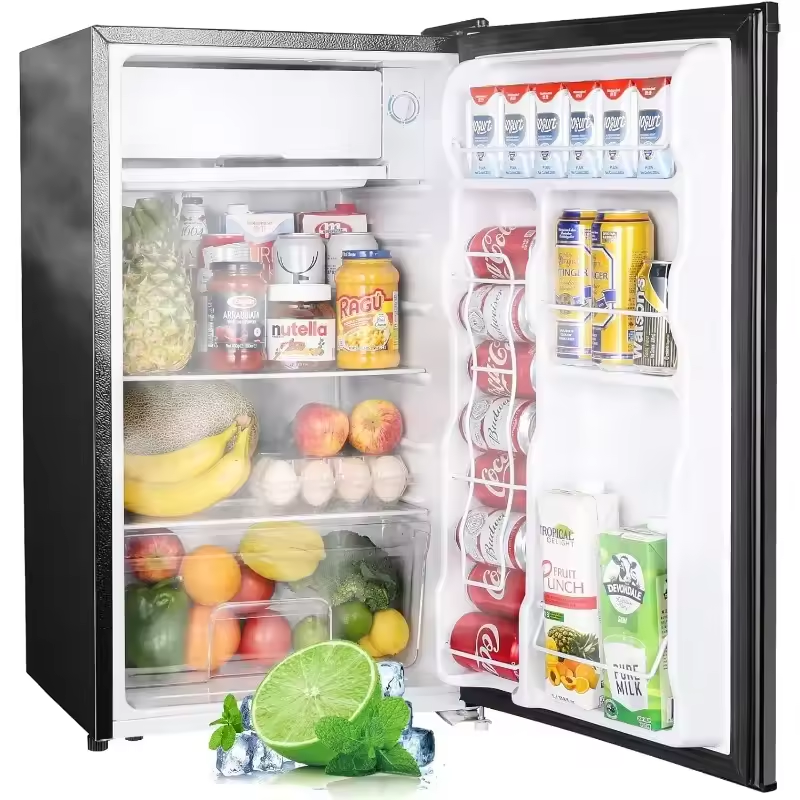
FAQs About Small Office Refrigerators
How Much Electricity Does a Small Office Refrigerator Use?
Small office refrigerators generally consume less energy than full-sized models. Most use between 100 and 250 kWh annually. Energy-efficient models, especially those with an Energy Star certification, lower electricity costs further. Frequent door openings or improper placement can increase energy consumption. To maximize efficiency, ensure proper ventilation and maintain a consistent temperature setting. Cleaning the coils regularly also helps reduce energy usage. Always check the energy consumption rating before purchase for better savings.
Can a Small Refrigerator Replace a Full-Sized One?
A small office refrigerator cannot fully replace a standard refrigerator in most cases. It is suitable for basic storage, such as snacks, drinks, and small meals. However, its limited capacity and simpler features restrict larger or bulk storage needs. If your office has minimal storage requirements, a compact fridge might be sufficient. For workplaces with higher demands or more employees, a full-sized refrigerator is more practical. Assess your storage needs carefully to determine which option works best for your office.